Estonian Home Vocabulary: Everyday Words for Every Room
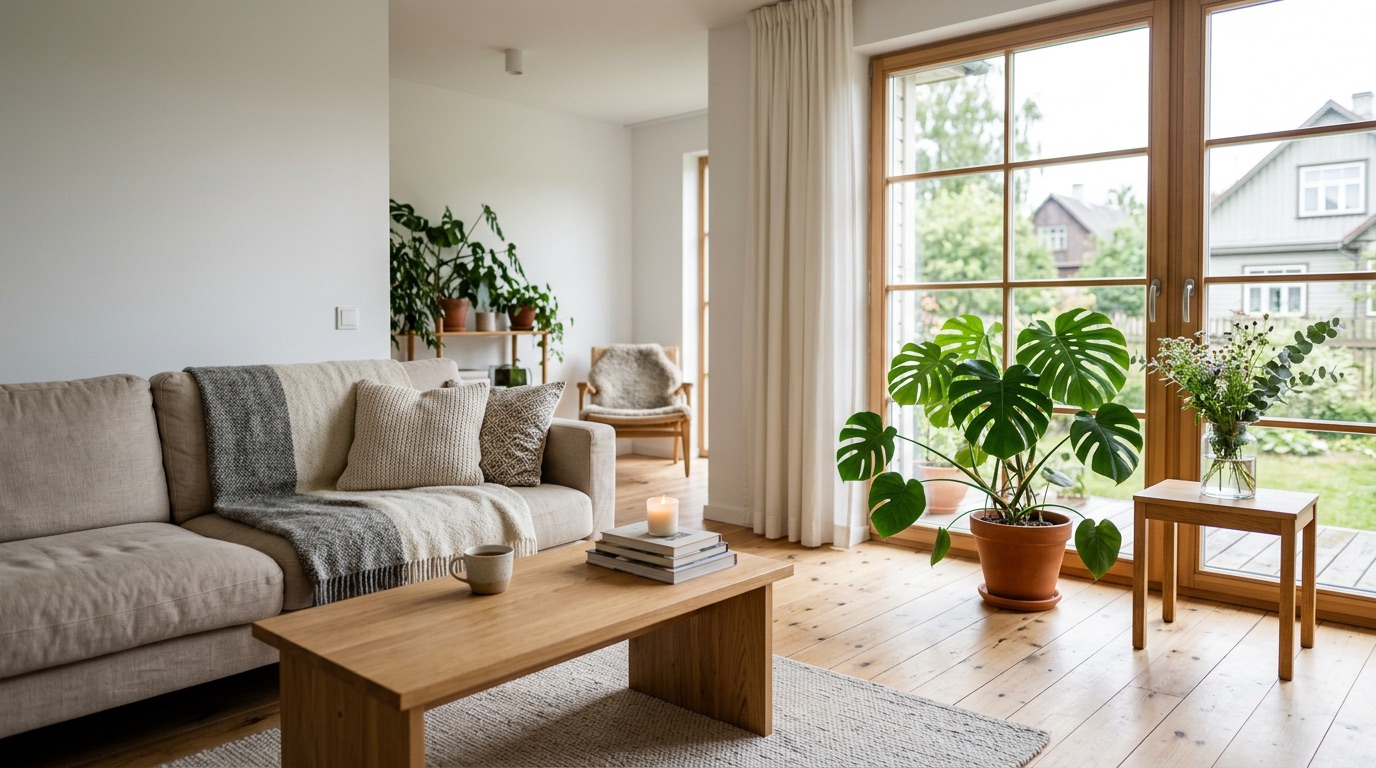
Why start with the home
The home is the best place to begin Estonian vocabulary: you are surrounded by it every day, which means free, automatic review built into your life. With no English cognates to help, that daily repetition is exactly what you need.
Estonian is written close to how it is spoken, so once you know the letters, including õ, ä, ö, ü, you can read all of these aloud.
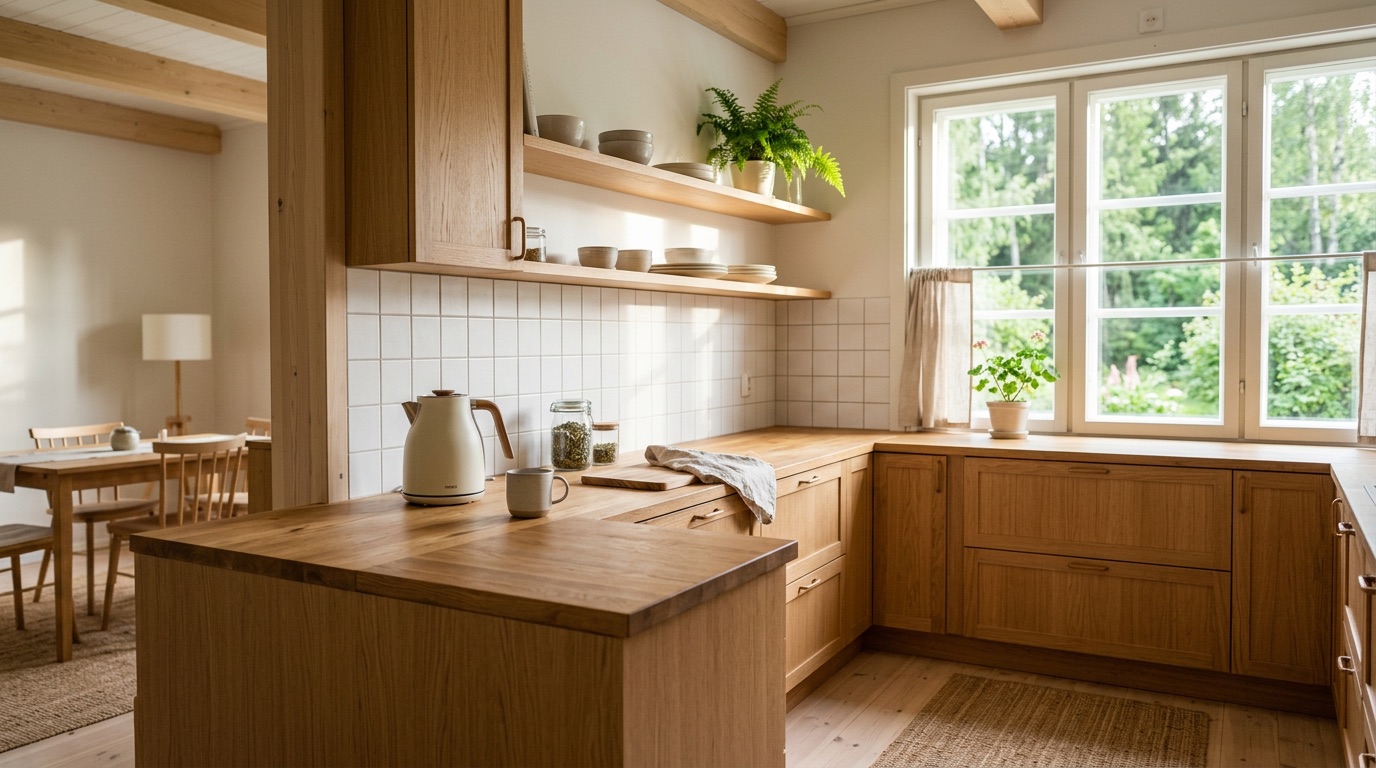
In the kitchen: köök
- külmkapp, fridge
- pliit, stove
- ahi, oven
- taldrik, plate
- klaas, glass
- nuga, knife
- kahvel, fork
- lusikas, spoon
In the bathroom: vannituba
- peegel, mirror
- seep, soap
- rätik, towel
- hambahari, toothbrush
- dušš, shower
- tualett, toilet
In the bedroom: magamistuba
- voodi, bed
- padi, pillow
- tekk, blanket
- riidekapp, wardrobe
- lamp, lamp
- aken, window
How to actually remember them
Do not try to learn all of this at once. Pick one room, learn six words, and say them out loud as you touch the real objects tonight. Reviewing words in the place they belong is what turns a list into lasting memory, which is the whole idea behind learning by scene.
Walk through an Estonian home in the app
EstoniaSpeak's Picture Scenes let you tap around a kitchen, bathroom and bedroom to learn every object by sight, sound and voice. Free to start.
Frequently asked questions
How do you say house in Estonian?
House is maja, and home is kodu. "At home" is kodus and "home (to)" is koju, Estonian shows place with case endings rather than prepositions.
What is the Estonian word for kitchen?
Kitchen is köök. Other rooms: bathroom = vannituba, bedroom = magamistuba, living room = elutuba, hallway = esik.
What order should I learn Estonian vocabulary in?
Start with the places you spend the most time, home, then the shop, then your daily routine. High-frequency, concrete words first; rarer and more abstract words later.